
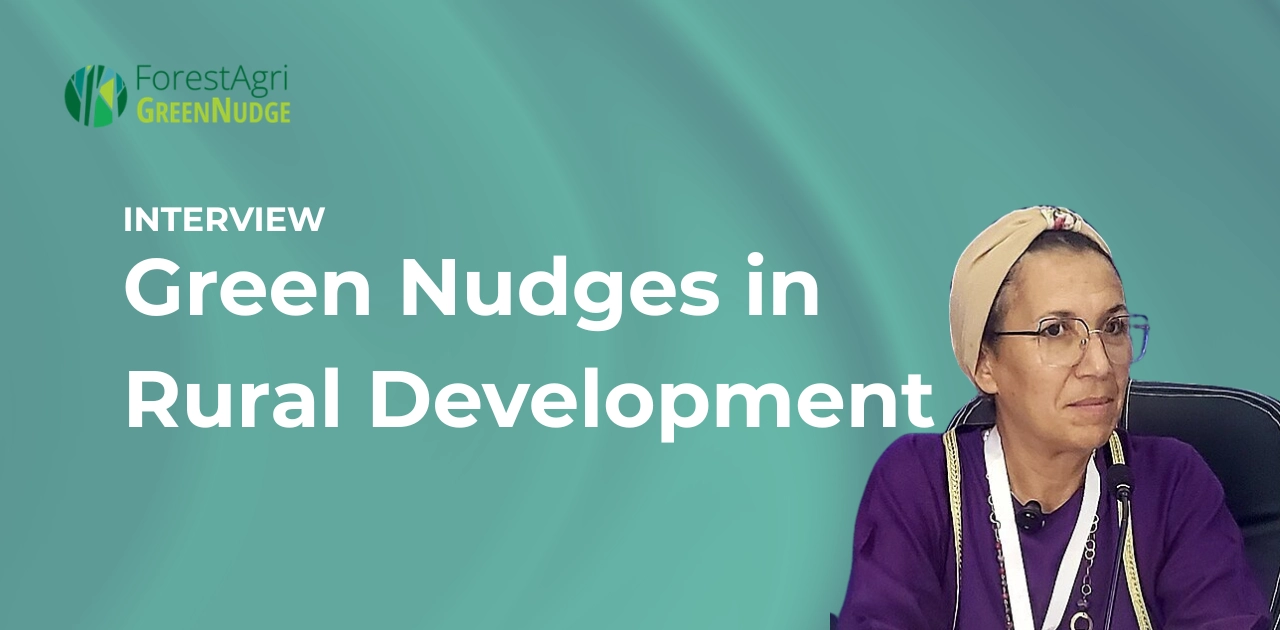
Interview with Semia Gharbi, co-founder of AEEFG in Tunisia
The Association d’Éducation Environnementale pour les Futures Générations (AEEFG) is a national non-profit organisation co-founded in 2011 by Semia Gharbi, an environmental educator and activist recognised for her work. In 2024 she received the Goldman Environmental Prize—often described as the “Green Nobel”—for her leadership in combatting illegal waste imports and championing highly hazardous pesticide reduction and implementing agroecology with rural women in Tunisia.
In this interview, Semia talks about her NGO’s agroecology initiative demonstrating the power of green nudges in rural development in Tunisia.
Semia, what has been your career path that led to founding AEEFG?
I have worked as an educator for 28 years, and my engagement in environmental issues goes back even further. My early research focused on the impacts of pesticides on the environment, and over time I became deeply involved in national, regional and international networks working on toxic chemicals for a toxic free future, environmental justice and human environmental and health rights.
In 2011, I co-founded AEEFG, a national non-profit organisation dedicated to environmental education and ecological transition. Our mission is to raise awareness among young people and communities about environmental and health challenges, with a focus on rural communities. One of the action areas is promoting agroecology as a path to healthier soils, healthier food, and healthier consumers and communities.
We work extensively with rural women, teachers, farmers, and local and national authorities to build a shared culture of ecological responsibility. AEEFG is a member of Regional African networks and international networks. It is the hub of IPEN (International Pollutants Elimination Network) for North Africa and MENA region working for a healthy and toxic free future. AEEFG also develops communication tools – including podcasts and training materials.
You are currently running an agroecological initiative focusing on rural women farmers. Can you tell us about this project?
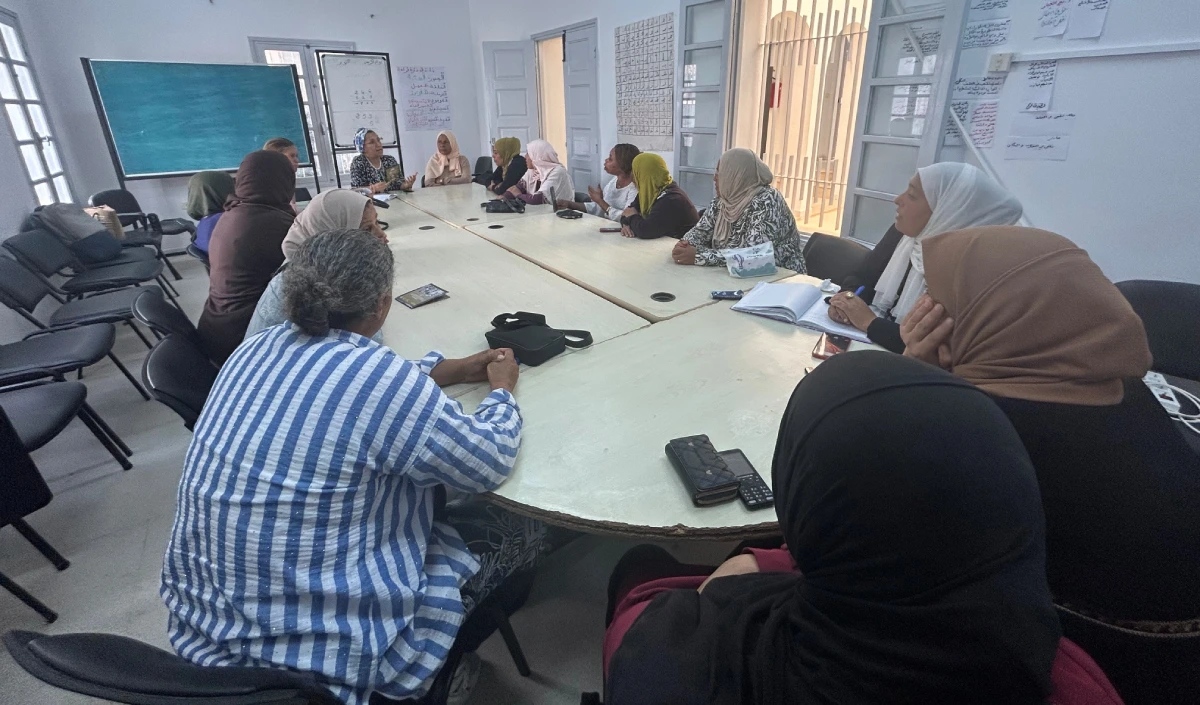
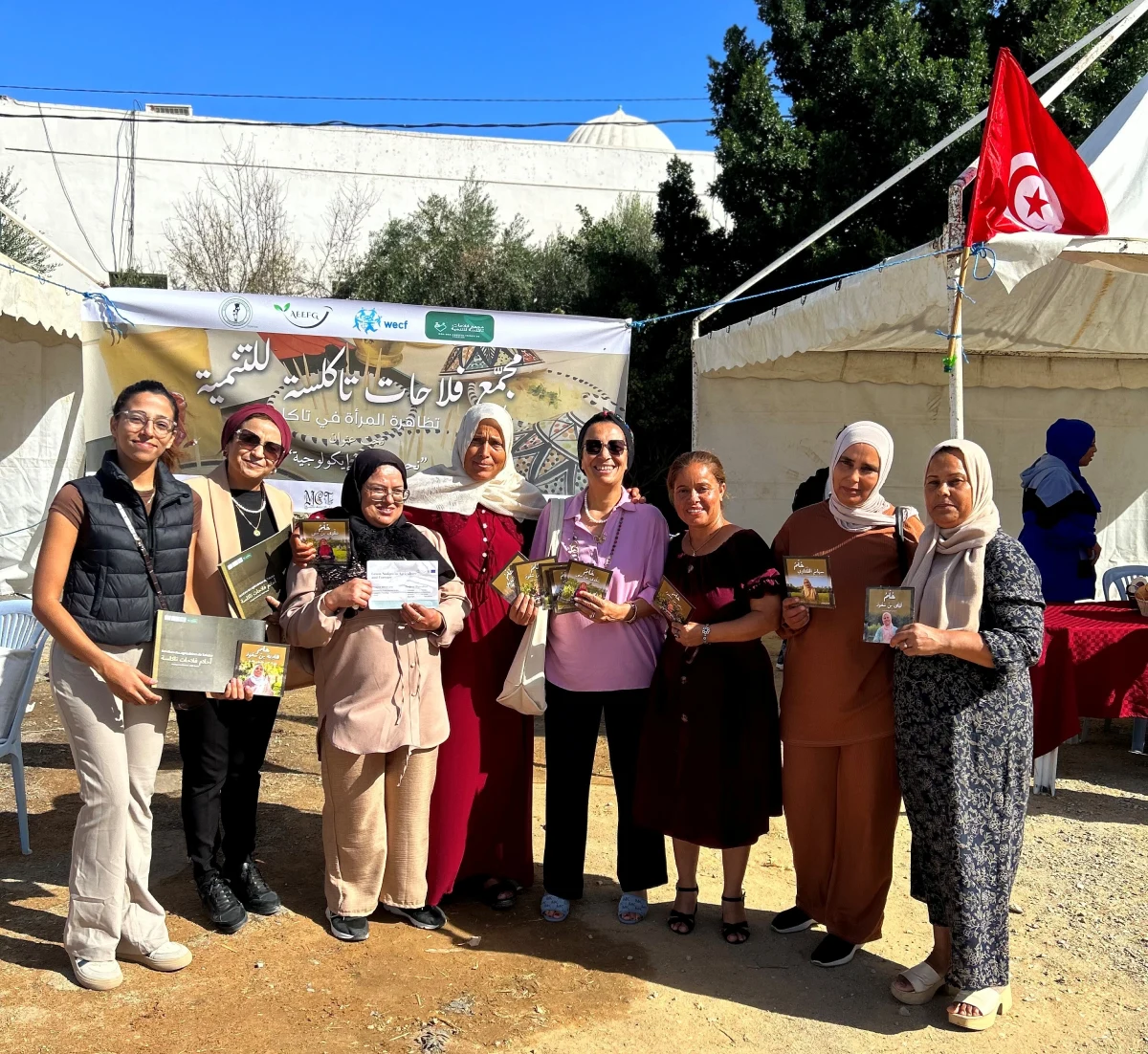
Our project is based in Takelssa, in the governorate of Nabeul. It focuses on a core group of nine rural women, all members of the local Groupe de Développement Agricole (GDA), which gathers 183 rural women in total.
Each of the nine women selected a 500 m² plot – some even more – to convert fully to agroecology. We began with soil analyses (pH, conductivity, water content) to understand soil health and then asked the women to completely stop using pesticides and synthetic fertilizers as well as plastics. We developed for each woman farmer the pedologic and hydrologic characteristics of each farm using the GIS (Geographic Information System). All the work of the project is implemented with a scientific approach.
The project supports them in applying ancestral ecological practices, improving soil health, and regenerating the presence of essential microorganisms and mycorrhizae, as well as managing water consumption. We also provided natural soil enhancers made from microalgae to rebuild organic matter and restore micronutrients that had disappeared after decades of chemical use.
The women now produce ecological fruits and vegetables – olives, oranges, pomegranates, grapes, peppers for harissa, aromatic plants such as geranium – and their yields and product quality have visibly improved. One example is a pomegranate orchard that had previously been declining: after switching to agroecological practices, the trees produced abundant, healthy fruit again.
Importantly, these nine women act as ambassadors. Their husbands, brothers, and neighbours are increasingly adopting the same practices. Some have even stopped using pesticides altogether after witnessing the women’s successes.
How are green nudges used in this project?
We work with small, simple behavioural shifts that help farmers reconsider their practices and discover the benefits of agroecology. Among the strongest nudges we have observed:
- Health awareness – Women are very sensitive to the effects of pesticides on their bodies and families. Realising that they could reduce health risks by stopping chemical use was a decisive motivator.
- Taste and food quality – The difference in flavour between conventional and agroecological products is striking, and motivates farmers to continue producing healthier, tastier food.
- Economic arguments – The cost of pesticides and synthetic fertilisers is high. One farmer who converted from conventional to agroecological farming now clearly explains the financial benefits of reducing inputs.
- Consumer demand – Farmers are increasingly aware that consumers seek natural, pesticide-free products. They feel proud to provide safe food for their communities.
- Education as a nudge – We are developing a fifth nudge: integrating agroecology into school curricula by bringing teachers and students directly to the fields. By observing the agroecological laboratory and hearing rural women explain their practices, students learn the connection between healthy soil and healthy bodies, fostering ecological values in the next generation.
Through these nudges, behavioural change spreads organically. We even analyse the “pedigree of impacts” – a concept we initiated and borrowed from genetics – to trace how a convinced woman influences her relatives, who then influence their wider family, neighbours, and beyond.
What are the next steps for expanding the scope of this project?
We would like to make the experience of the core nine women a success story to expand this initiative and increase its impact in the region by bringing more farmers into implementing agroecological practices. The group we have now are seeing real results on the ground which is very encouraging as they are attracting many partners and local and regional authorities. As a next step, we would also like to set up a market for the rural women farmers to sell their agroecological products if the local authorities will provide them the official paper to implement the activities.
These rural women are also acting as ambassadors, not only to other farmers, but to local authorities and to school children, explaining to them the science and measurable results of agroecology. That way we can target and educate future consumers and younger generations on the benefits of healthy soil and its impact on our health.
By combining good agricultural practices with behavioural science through Green Nudges, we can accelerate the transition toward a greener, healthier, and more resilient agricultural sector — driven by awareness, motivation, and collective responsibility.